Please Read Before Placing The Order - We are wholesalers & we are offering Raw Materials for much less cost than Amazon. We cannot offer free shipping or any discount on shipping cost. Once your order is packed our team will reach out to you with exact shipping cost which needs to be paid seperatly based on the exact shipping cost as per final weight & dimension of package. Dispatch Timeline - 3 to 4 days minimum. Unboxing video is must to resolve missed item issue. Happy Candle 🕯️ Making.
Please Read Before Placing The Order - We are wholesalers & we are offering Raw Materials for much less cost than Amazon. We cannot offer free shipping or any discount on shipping cost. Once your order is packed our team will reach out to you with exact shipping cost which needs to be paid seperatly based on the exact shipping cost as per final weight & dimension of package. Dispatch Timeline - 3 to 4 days minimum. Unboxing video is must to resolve missed item issue. Happy Candle 🕯️ Making.
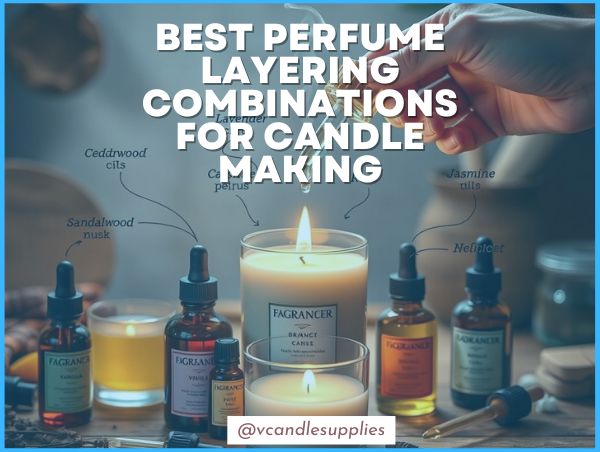
Best Perfume Layering Combinations for Candle Making
Candle making is an art that goes beyond simply melting wax and adding fragrance. A truly remarkable candle has a well-balanced scent profile, and one of the best ways to achieve this is through perfume layering. By carefully combining different scents, you can create candles with complex, evolving aromas that enhance any space.
The right fragrance combinations can evoke emotions, memories, and moods, making your candles more appealing and memorable. Whether you’re making candles for personal use or as a business, understanding how to layer scents can help you craft unique, high-quality products with a signature identity that customers remember.
This guide brings together some of the best candle scent combinations available today, along with the practical side of the process that most guides skip. You will find real fragrance pairings, a simple mixing chart to help you get your ratios right, guidance on how much fragrance oil to actually use, and answers to the questions candle makers ask most often about scent combinations for candles.
Why Layering Fragrances in Candles Works
Layering fragrances in candles allows for a more dynamic scent profile. Instead of one flat note, a layered candle releases different scents over time, making the burning experience far more enjoyable and interesting. A well-balanced candle typically has three layers working together.
Top Notes are the first scent noticeable when the candle is lit. These are usually light, fresh, and quick to evaporate, which is why you notice them immediately.
Middle Notes, also known as heart notes, form the fragrance’s core and provide depth once the top notes fade. This is the layer that most defines the personality of your candle.
Base Notes are long-lasting and emerge more strongly as the candle continues to burn. They add warmth, richness, and staying power to the overall scent.
Mixing different notes across these three layers allows you to create a candle that evolves as it burns, rather than one that smells the same from the first light to the last drop of wax.
How Much Fragrance Oil Should You Use When Layering Scents?
Before you start experimenting with combinations, it helps to understand how much fragrance oil to actually add. Most fragrance oils used for candle making are recommended at a load of around 6 to 10 percent of the total wax weight, though this can vary slightly by wax type and brand.
When layering two scents together, a good starting ratio is 70 percent of your primary or base fragrance to 30 percent of your accent fragrance. For example, if you are making a lavender and sandalwood candle, try 70 percent lavender to 30 percent sandalwood as your first test batch.
Always weigh your fragrance oils rather than measuring by volume, since this gives you consistent, repeatable results across every batch. Keep notes on every ratio you try, since even small changes of 5 to 10 percent can noticeably shift how a combination smells once cured.
Select options
This product has multiple variants. The options may be chosen on the product page
Candle Scent Mixing Chart
Use this simple chart as a starting point whenever you are experimenting with new candle scent combinations. It groups popular fragrance families by how well they tend to pair together.
Scent Family
Pairs Well With
Best Used For
Citrus (lemon, orange, grapefruit)
Herbal, floral, fresh musk
Kitchens, bathrooms, energizing spaces
Floral (rose, jasmine, lavender)
Woody, musky, fruity
Bedrooms, relaxation spaces, gifting
Woody (sandalwood, cedarwood, oak)
Floral, gourmand, spicy
Living rooms, festive candles
Vanilla and gourmand (caramel, honey)
Spicy, woody, nutty
Cosy environments, winter candles
Fresh and oceanic (sea breeze, marine)
Green, herbal, light floral
Bathrooms, spa-style spaces
Spicy (cinnamon, clove, nutmeg)
Vanilla, woody, citrus
Festive candles, autumn and winter
This chart is meant as a guide rather than a strict rulebook. Some of the most memorable candle fragrances come from makers who experiment slightly outside these pairings, so use it as a confident starting point rather than a limit.
Best Perfume Layering Combinations for Candle Making
This section explores six major fragrance pairings that work harmoniously in candles. Each combination has been selected to enhance the overall sensory experience and cover a range of moods, seasons, and rooms.
Citrus and Herbal Fusion
This combination is perfect for creating bright, refreshing candles that feel energizing. Citrus scents bring a zesty sharpness, while herbal notes add earthiness and depth. These candles work well in kitchens, bathrooms, and workspaces where a fresh atmosphere is desired.
Detailed Pairings:
Lemon and Rosemary: The sharp, clean scent of lemon pairs beautifully with rosemary’s herbal, slightly woody notes. This blend is crisp and invigorating.
Orange and Basil: Sweet and fruity orange combines well with the spicy, peppery aroma of basil, creating a warm and refreshing candle.
Grapefruit and Sage: The tartness of grapefruit blends with the earthy, slightly minty scent of sage, resulting in a sophisticated, well-rounded fragrance.
Floral and Woody Harmony
Floral scents are known for their soft, romantic appeal, while woodsy notes provide stability and warmth. This pairing creates a balanced fragrance ideal for bedrooms and relaxation spaces.
Detailed Pairings:
Lavender and Sandalwood: The calming, herbal-floral aroma of lavender pairs well with sandalwood’s creamy, warm scent, promoting a peaceful ambience.
Rose and Cedarwood: Classic and elegant, the rose is grounded by the rich, resinous scent of cedarwood, making for a harmonious, inviting candle.
Jasmine and Patchouli: The sweet, exotic fragrance of jasmine blends beautifully with the earthy, musky aroma of patchouli, creating a sensual, deep scent.
Vanilla and Spice Blend
The comforting aroma of vanilla combined with various spices creates a warm and inviting scent, perfect for cosy environments and the cooler months of the year.
Detailed Pairings:
Vanilla and Cinnamon: The smooth, creamy scent of vanilla enhances the warm, spicy aroma of cinnamon, creating a comforting fragrance.
Vanilla and Clove: Rich vanilla combines with the strong, slightly bitter notes of clove, adding depth and warmth.
Vanilla and Nutmeg: The sweet, nutty scent of nutmeg pairs well with vanilla, creating a gourmand, bakery-like aroma.
Fruity and Floral Medley
This blend is light, cheerful, and fresh, ideal for spring and summer candles. Fruity notes add sweetness, while florals provide elegance and freshness.
Detailed Pairings:
Peach and Jasmine: The juicy sweetness of peach complements the rich, floral notes of jasmine, resulting in a delightful fragrance.
Apple and Lily: Crisp apple pairs with lily’s fresh, green scent, creating a clean and uplifting aroma.
Blackberry and Rose: The tartness of blackberry blends with the rose’s soft, romantic scent, offering a balanced fragrance.
Oceanic and Fresh Notes
Inspired by the sea and fresh air, this combination is crisp and airy, ideal for bathrooms and spa-like environments.
Detailed Pairings:
Sea Breeze and Eucalyptus: The sea breeze’s aquatic notes combine with eucalyptus’s sharp, invigorating scent, resulting in a refreshing fragrance.
Ocean Mist and Aloe Vera: The cool, watery scent of ocean mist pairs with the soothing, green aroma of aloe vera, creating a calming blend.
Marine and White Tea: The crisp, salty notes of marine blend with the delicate, slightly sweet scent of white tea, offering a sophisticated aroma.
Gourmand and Woody Fusion
This blend combines sweet, dessert-like notes with deep, rich woods, making for a cosy, luxurious candle that performs especially well through autumn and winter.
Detailed Pairings:
Caramel and Oak: The sweet, buttery scent of caramel blends with the strong, earthy aroma of oak, resulting in a warm fragrance.
Chocolate and Mahogany: Rich chocolate pairs with the deep, robust scent of mahogany, creating a luxurious aroma.
Honey and Teakwood: The sweet, floral notes of honey complement the leathery, woody scent of teakwood, offering a balanced fragrance.
How to Test a New Scent Combination Before Making a Full Batch
Before committing an entire batch of wax to a new combination, it helps to test on a small scale first. This saves both wax and fragrance oil if a pairing does not turn out the way you expected.
Melt a small amount of wax, around 50 to 100 grams, and add your fragrance blend at your chosen ratio. Pour it into a small container or tea light cup and let it cure for at least 24 to 48 hours before testing the cold throw and the hot throw.
Cold throw refers to how strong the fragrance smells before the candle is lit, while hot throw refers to how it smells once burning. A combination can smell wonderful in the bottle but perform very differently once poured and cured, so always test both stages before scaling up production.
Common Mistakes to Avoid When Mixing Candle Scents
Adding too many fragrances at once is one of the most common mistakes beginners make. Stick to two, or at most three, complementary scents so the combination stays balanced rather than becoming muddled.
Skipping the cure time before testing is another frequent issue. Fragrance needs time to bind fully with the wax, so judging a combination too early can lead you to reject a pairing that would have performed well after proper curing.
Ignoring fragrance strength differences between oils can also throw off a blend. Some fragrance oils are naturally stronger than others, so a 50-50 split is not always the right starting ratio for every pairing.
Key Takeaways
Experimenting with perfume layering in candle making allows for endless creative possibilities. By thoughtfully combining fragrances, testing your ratios, and giving every batch proper time to cure, you can enhance the candle-burning experience and make it more engaging and memorable for whoever lights it.
For high-quality candle-making supplies, including fragrance oils and wax, check out V Candle Supplies. Our range of materials, available at both retail and wholesale quantities, will help you create exceptional, beautifully scented candles.
Some of the most popular and reliable combinations include lavender and sandalwood, vanilla and cinnamon, lemon and rosemary, and rose and cedarwood. These pairings work because they balance a lighter top note against a warmer, longer-lasting base note.
Start with fragrances from complementary families, such as a floral with a woody note, or a citrus with a herbal note. Use the 70-30 ratio as a starting point, and always test a small batch before scaling up.
Two fragrances is usually the safest starting point for beginners. Once you are comfortable with layering, you can experiment with three, but adding more than that often makes the scent feel unfocused rather than complex.
Vanilla is one of the most forgiving fragrances for beginners, since it blends well with almost every other scent family, including spice, wood, and even some florals.
The same top, middle, and base note principle applies, though essential oils generally have a lighter throw than fragrance oils and often need different ratios. We cover this in detail in our dedicated guide on essential oil combinations for candles.